
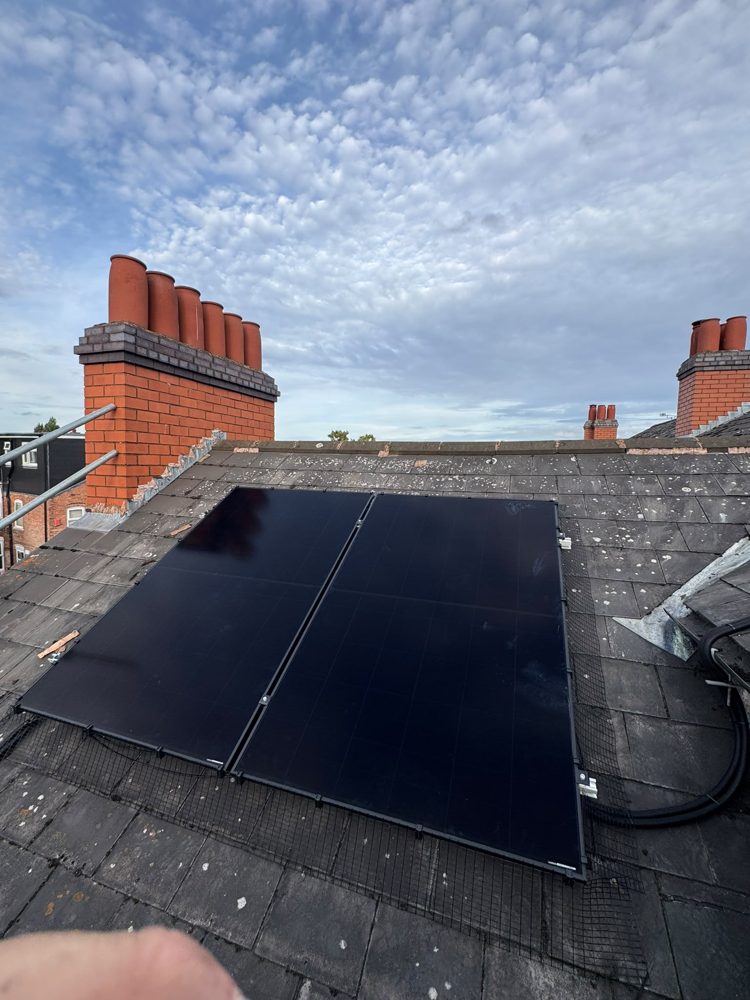
It's one of the most common questions we hear: does solar actually work in the UK, with our grey skies and short winter days? It does, and here's what to expect.
Daylight, not heat
Solar panels turn light into electricity. They don't need hot weather, and in fact they work slightly more efficiently when they're cool. On a bright, cold spring day, panels can perform very well.
What about cloudy days?
Clouds reduce output, but panels still generate from the daylight that gets through. On a heavily overcast day, output might be a fraction of a sunny day, but it isn't zero.
Generation through the year
In the UK, summer months produce far more than winter months, because the days are longer and the sun is higher. A rough pattern for a typical system:
Across the year, it all adds up. That's why yearly generation, not a single day, is the figure to look at when comparing systems.
Snow and frost
Snow covering the panels stops generation until it slides off or melts, which usually happens quickly on a sloped roof. Don't climb up to clear panels yourself.
How a battery helps in winter
In winter, when solar is low, a battery can charge overnight on a cheaper tariff and power your home at peak times. So it keeps saving you money even in the darkest months.