
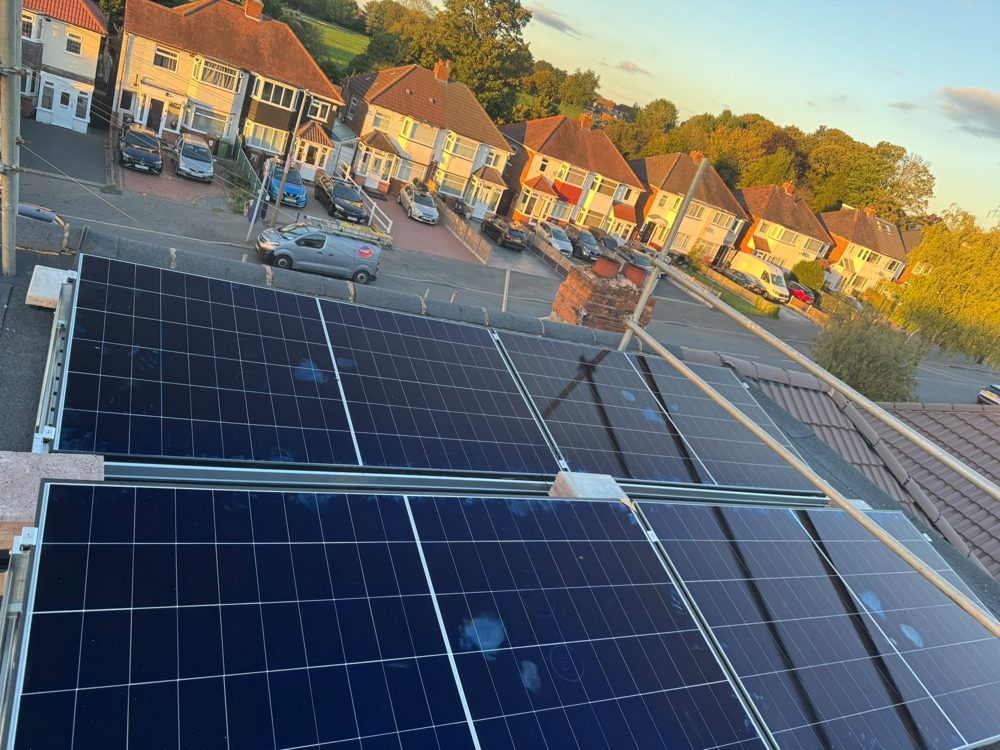
When your solar panels generate more electricity than your home is using, the spare power goes out to the grid. The Smart Export Guarantee (SEG) is how you get paid for it.
How SEG works
SEG started in January 2020 and replaced the old Feed-in Tariff for new installations. Energy suppliers with 150,000 or more customers must offer at least one SEG tariff, paying you for each unit (kWh) you export. Smaller suppliers can choose to offer one too.
Suppliers set their own rates. The law only says the rate must be above zero, so some pay only a few pence per unit while others pay much more. Some tariffs are fixed, and some change through the day.
What you need to sign up
- An MCS certificate for your installation (your installer registers this)
- A smart meter that can record exported electricity
- An application to your chosen supplier
How to compare export tariffs
- Compare the rate per unit exported
- Check whether you have to buy your electricity from the same supplier to get their best export rate
- Look at whether the rate is fixed or changes through the day
- Check how often you're paid: monthly, quarterly or as a bill credit
You can often get your export tariff from a different supplier to the one you buy electricity from, so shop around.
SEG and batteries
With a battery, you'll use more of your own solar and export less. As long as export rates are lower than what you pay for electricity, using your own solar is worth more than exporting it. Some tariffs also pay for exporting stored battery power at peak times, which can add to your savings.